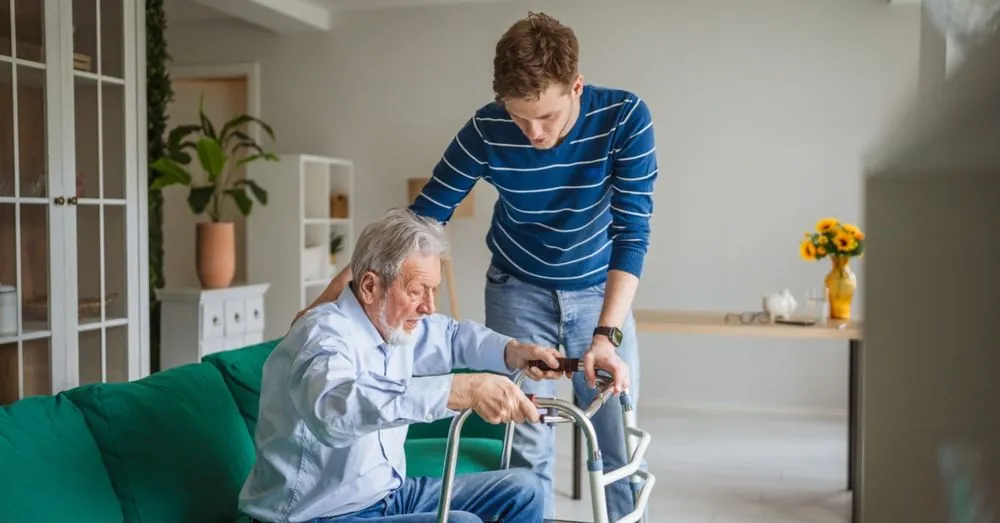

For seniors, an aging body can bring physical limitations, cognitive decline, or just plain discomfort when it comes to personal care and hygiene. Tasks such as bathing, grooming, or changing clothes may feel intrusive or exhausting. Here are nine hygiene and personal care tips for seniors that caregivers can implement to balance practicality with comfort.
1. Prioritize Skin Moisture Balance
Aging skin is thinner and more fragile, making it prone to cracking, flaking, and infection. Excess moisture under the breasts or between skin folds can lead to fungal growth or slippery surfaces that increase fall risk.
To maintain a healthy balance, apply an unscented moisturizer, ideally after bathing. Consider lotions that contain hyaluronic acid (a humectant), squalane (an emollient), and petrolatum (an occlusive) to hydrate, soften, and seal in moisture.
Avoid using petrolatum-based products in skin folds, where excess moisture can become trapped and lead to irritation.
2. Handle Nail Care With Precision
Overgrown or thickened toenails are more than a cosmetic issue. They can create painful pressure in shoes, contribute to instability, or lead to infections, most notably in seniors with diabetes or reduced sensation in their feet.
Set a schedule to trim fingernails and toenails every 6 to 8 weeks. Use straight-edge clippers, not rounded ones, to minimize the risk of ingrown nails. If toenails are particularly thick, soak their feet in warm water for 15 minutes before trimming, and finish with a soft file to smooth edges.
3. Adapt Bathing Schedules Thoughtfully
Daily showers might feel like a standard of cleanliness, but for seniors. Overbathing can strip skin of its natural oils. At the same time, inconsistent hygiene can lead to body odor, rashes, or urinary tract infections.
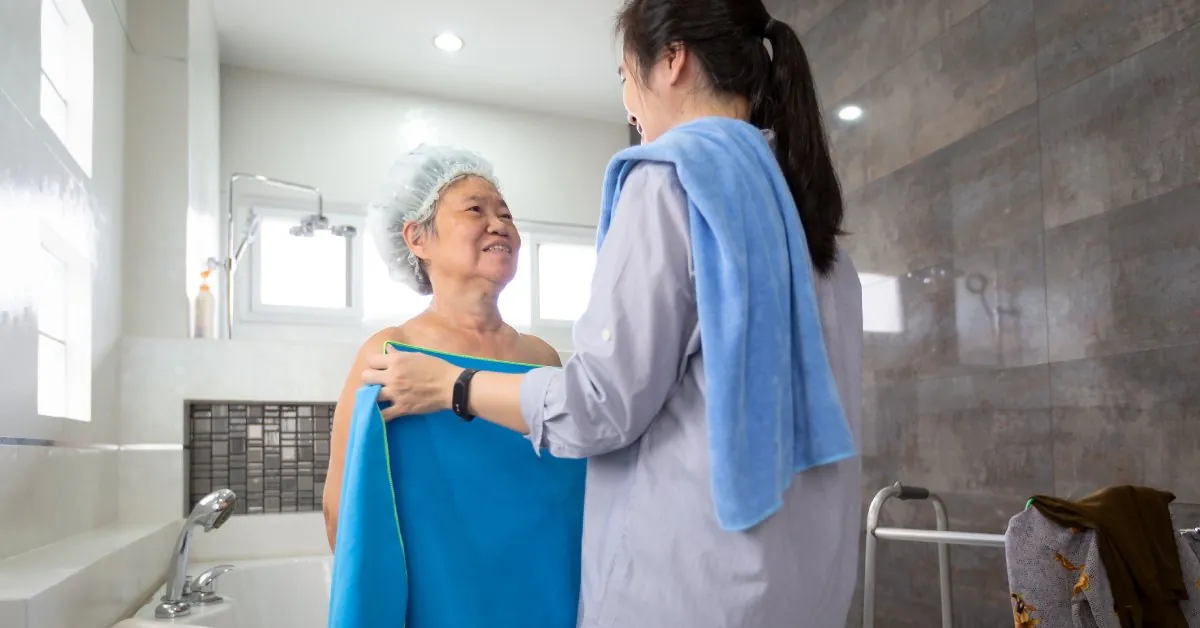
Schedule a full-body shower or bath one to three times per week, depending on skin needs and activity level. Keep baths under ten minutes to prevent their skin from drying, and use lukewarm water rather than hot water.
On non-bathing days, spot-clean high-risk areas such as the underarms, groin, and feet using a warm, damp washcloth or gentle pre-moistened wipes. No-rinse shampoos can also help maintain scalp hygiene in between baths, especially when washing hair in the shower is difficult.
4. Maintain Oral Health Without Floss
Flossing is ideal, but not always realistic. Seniors with arthritis, Parkinson’s, or other mobility limitations often struggle with string floss or water flossers. Unfortunately, abandoning oral care altogether can increase the risk of tooth decay, gum disease, heart disease, and even aspiration pneumonia.
Instead, consider using an interdental brush or a soft rubber-tip stimulator once a day, preferably in the evening. These alternatives are easier to grip and gentler on aging gums. Follow up with a rinse of alcohol-free mouthwash to help manage dry mouth and maintain oral freshness.
5. Use Protective Barriers for Incontinence
Incontinence can cause serious skin problems if not addressed proactively. Leaks that go unnoticed or aren’t cleaned promptly can lead to rashes, odor, and skin breakdown, especially if protective underwear or briefs are worn throughout the day.
Apply a zinc oxide-based barrier cream every 12 hours to high-friction areas such as the buttocks or inner thighs. This shields the skin from moisture and reduces friction. During waking hours, check for dampness every few hours, and change soiled products immediately to avoid further irritation.
6. Replace Disposable Items on a Schedule
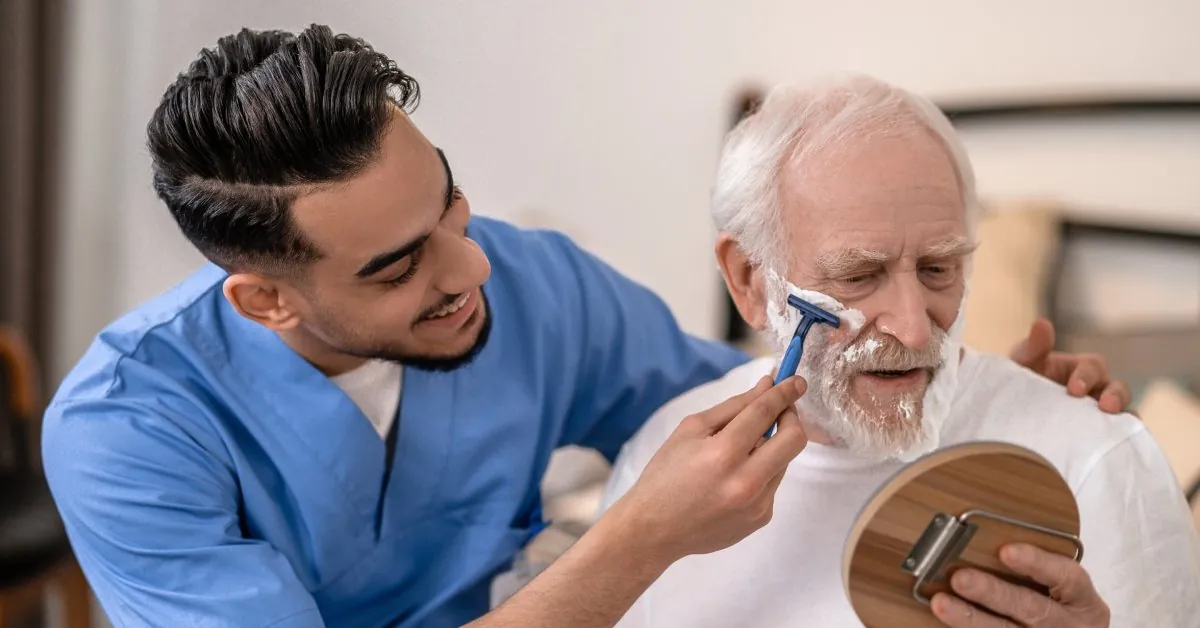
Razors, toothbrushes, and washcloths can harbor bacteria that lead to preventable infections or skin irritation. Replace razors when they become dull and toothbrushes when they begin to show signs of wear. Washcloths should be swapped out daily to prevent spreading bacteria between baths.
Proper scheduling and replacement are small ways caregiving services can prevent infections and promote comfort. To stay consistent, use a printed caregiver calendar to note replacement dates for each item.
7. Don’t Overlook Ear and Nose Care
Ears and nostrils might not seem like hygiene priorities, but they absolutely should be, particularly for seniors who wear hearing aids or experience sinus sensitivity. Hair buildup or wax accumulation in these areas can lead to itching, hearing trouble, or headaches.
Use two to three drops of mineral oil, baby oil, or a diluted solution of water and hydrogen peroxide in the ears once a week to soften any earwax. Let it drain, then carefully wipe the outer part of the ear with a wet cloth. Under no circumstances should you insert cotton swabs into the ear canal, as these can cause damage.
Visible nasal hair should be trimmed every other week using a pair of rounded-tip grooming scissors. The goal is to cut the hairs protruding from the nostrils, not to remove all hair.
8. Clean Mobility Aids and Accessories
Mobility devices such as walkers, canes, and wheelchairs are often overlooked when it comes to personal hygiene. Over time, they can accumulate bacteria, allergens, and grime that compromise cleanliness and comfort.
Clean any grips, wheels, and seating areas every three days using a disinfectant wipe approved for non-porous surfaces. For cloth cushions or padding, use a fabric-safe antibacterial spray once a week. Once every 30 days, do a more thorough cleaning, checking for worn-down grips, debris buildup in crevices, or rust on metal components.
Don’t forget hearing aids, glasses, and grab bars—anything touched daily should be cleaned with the same frequency as hands or handles.
9. Add Those Final Touches
Grooming that includes thoughtful, personal touches can help someone feel more like themselves. Whether combing hair, dressing in favorite clothing, or applying lip balm, these routines do more than improve appearance.
Incorporate one uplifting touch into their daily hygiene routine. These acts don’t require much time, but their impact on confidence and mood can be significant.
Never One-Size-Fits-All
Good hygiene routines don’t follow a universal checklist. Everyone has different physical limitations, sensitivities, and preferences. What works for one person might feel uncomfortable—or even unsafe—for another. These nine hygiene and personal care tips for seniors are meant to guide, not prescribe.
When you’re ready to build a customized in-home care routine, Caring Hearts Premier Home Care is here for you. As a family-owned provider licensed by the state of California, we offer senior in-home care services throughout Coachella Valley, Orange County, and Los Angeles County. Our team is trained in hygiene, medication management, and much more.
Hygiene is deeply personal. If you’re unsure where to start, Caring Hearts Premier Home Care is happy to talk through your options without pressure. We believe dignity, comfort, and well-being should guide every care decision.