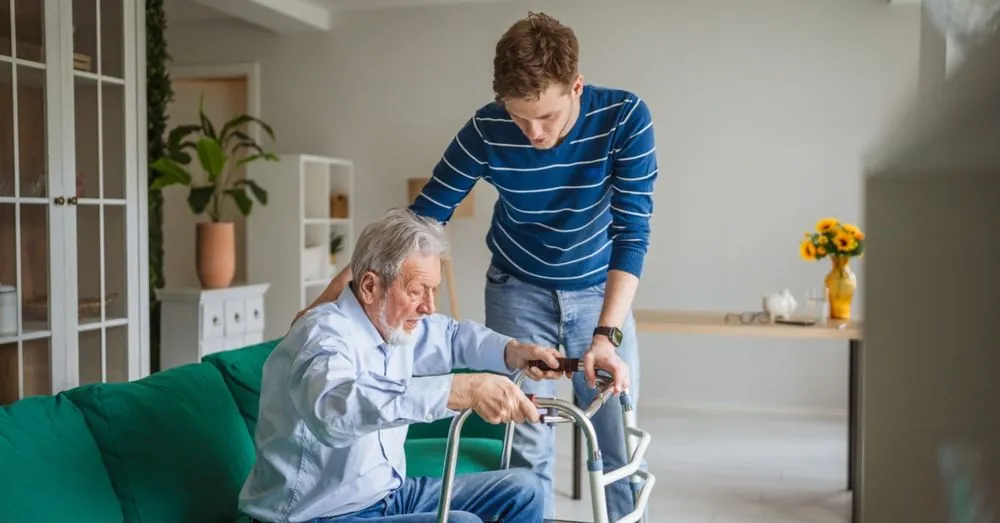

Many families begin looking into care at home because they want to support a loved one’s independence while making daily life more comfortable and manageable. Small adjustments, like help with meals, errands, or maintaining daily routines, can make a meaningful difference in how a senior moves through the day. Understanding the different types of in-home senior services can help families see how these options fit together rather than viewing home care as a single solution. Approaching care as a range of flexible services makes it easier to choose support that aligns with a senior's lifestyle, preferences, and changing day-to-day needs.
Why Families Look at Care Options From Home
For many older adults, home ties together routine, familiarity, and independence. Moving into a new setting may not feel necessary when the main concern is getting dependable support with daily living. In those situations, families usually begin looking for care that fits around an existing lifestyle instead of replacing it entirely.
That search starts when adult children notice changes that seem small on their own but add up. Pay attention to if your loved one is missing meals, struggling to keep up with laundry, isolation, and difficulty managing hygiene, as these can all signal that extra support would make life safer. Home-based care appeals to many because it adapts to the individual rather than forcing them to adjust to a facility.
What Non-Medical In-Home Senior Services Usually Include
Most families are not searching for clinical treatment when they first research in-home care. They are usually trying to find dependable assistance with ordinary tasks that have become tiring, unsafe, or inconsistent. That is where senior in-home services tend to fit best, since they focus on non-medical support that makes daily life more manageable.
Day-to-Day Assistance That Supports Routine and Comfort

This kind of care may include help with meal preparation, light housekeeping, reminders, mobility support, and supervision during the day. The purpose is not to take over every part of a person’s life, but to reduce friction in the areas that are becoming difficult. As a result, seniors can stay comfortable in familiar surroundings while families know their loved one is safer.
Companion Care and the Value of Social Connection
Companion care sounds less urgent than hands-on assistance, yet isolation affects mood, motivation, and routine in powerful ways. A senior who lives alone may begin skipping meals, staying in bed longer, or withdrawing from activities simply because the day feels empty and unstructured.
Companion-focused care brings presence into the home with conversations, shared meals, walks, help with hobbies, or accompaniment during errands and appointments. In many homes, companionship is the first level of support that makes a visible difference because it restores rhythm and connection before more intensive care becomes necessary.
Personal Care for Hands-On Daily Assistance
When an older adult begins struggling with bathing, grooming, toileting, dressing, or getting in and out of bed safely, personal care becomes a more appropriate fit. These are private tasks, so families may delay talking about them, even when the need is already affecting health, confidence, and dignity.
When Physical Support Becomes Part of the Care Plan
Personal care is more hands-on than companion care, which is why it usually marks a different stage in the family’s decision-making process. The focus shifts from convenience to direct physical support with essential routines. In many cases, recognizing that shift early allows families to put the right structure in place before a fall, hygiene issue, or major disruption forces the conversation.
Household Support That Keeps the Home Manageable
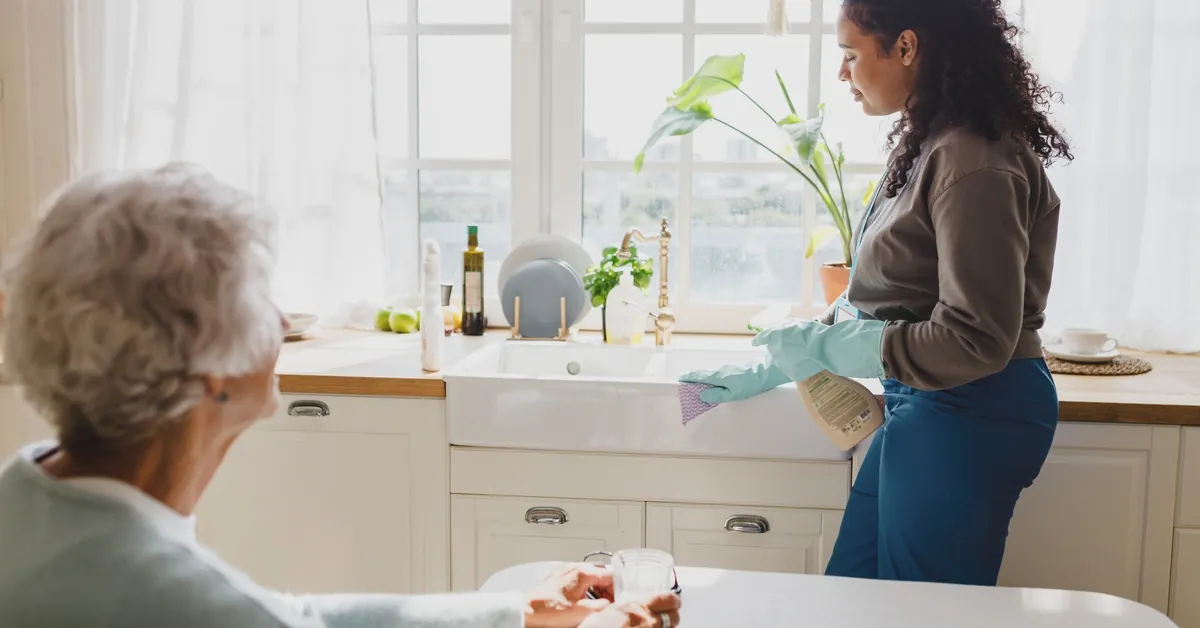
A home can become harder to maintain long before a senior openly asks for help. Household support addresses everyday tasks that keep a living environment functional. Light cleaning, meal prep, basic organization, and similar assistance may seem modest, yet they create immediate relief. For many families, this category bridges the gap between complete independence and more involved care, making it one of the most practical service types to consider early.
Specialized Care for Memory-Related Needs
Memory loss changes the kind of support your loved requires at home. A senior living with dementia may still look physically capable, but confusion, wandering risk, agitation, and trouble following routines introduce a different set of concerns. Because of that, general assistance is not always enough.
How Dementia Support Differs From General Assistance
Care for memory-related conditions usually places more emphasis on consistency, redirection, supervision, and communication style. In this situation, the caregiver is responding to behaviors, preserving calm, and helping the senior move through the day with less distress. That difference matters because memory care at home requires patience, training, and a more thoughtful approach to routine.
Respite Care for Family Caregivers
Many families begin by coordinating meals, appointments, medications, check-ins, and emotional support while also balancing work and their own households. Even when that arrangement comes from love, it can become difficult to sustain without breaks.
Respite care gives family caregivers room to step away for a few hours or for a more regular schedule without feeling that they are abandoning responsibility. It supports continuity for the senior while reducing burnout for the family. In practice, respite care makes long-term caregiving more realistic because it introduces help before exhaustion turns into crisis.
Matching Care Services to Changing Needs at Home
Think about home care as a flexible structure rather than a single permanent decision. Someone may begin with companionship and household assistance, then later need personal care or memory-related support, so the care plan must remain flexible.
Families tend to make better decisions when they look at patterns instead of isolated moments. If the same concerns keep returning each week, that usually signals the need for a different level of support. Looking at care this way can reduce guilt and make the process feel more practical, since the question becomes what would improve daily life now, not what solution must cover every future possibility.
Finding a Practical Next Step for Your Family
Choosing among service types becomes easier when families focus on the senior’s actual daily routine instead of broad labels. The most useful starting point is to identify where the day is breaking down, whether that involves hygiene, meals, mobility, supervision, or loneliness. From there, the right care category usually becomes easier to recognize.
As a family-owned, state-licensed provider serving Southern California, Caring Hearts Premier Home Care supports older adults with customized in-home care and caregivers trained in areas that include dementia care, hygiene, meal preparation, first aid, CPR, and medication assistance. Families who are comparing options can contact the team to talk through care needs and determine which services make sense at home. When understanding the different types of in-home senior services becomes part of that conversation, the process tends to feel less overwhelming and far more actionable.