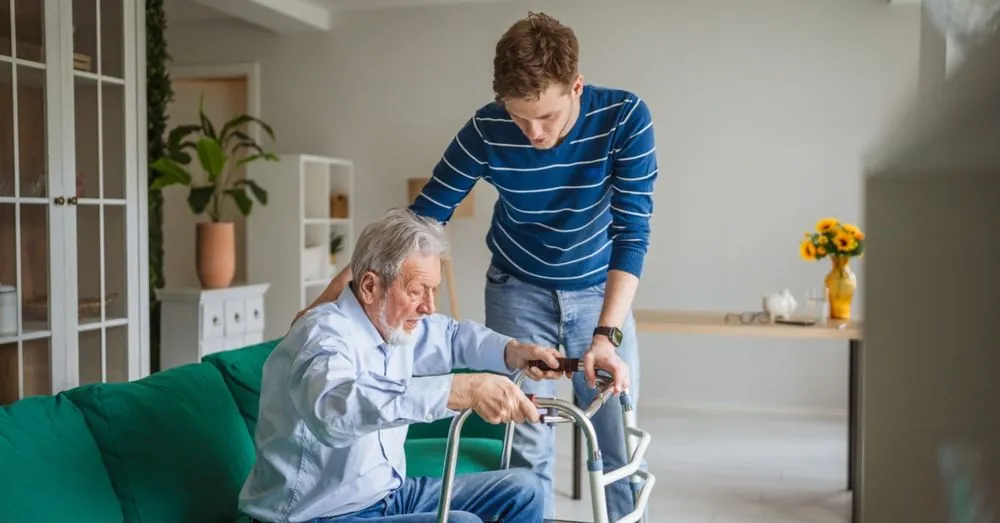
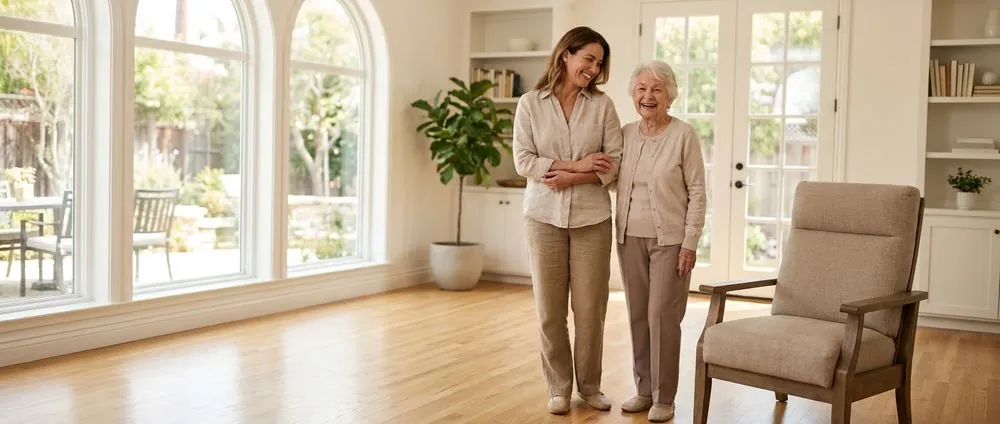
Watching your parents grow older often brings a shift in family dynamics and responsibilities. You want them to maintain their independence and comfort in familiar surroundings. However, the physical realities of aging require careful preparation and proactive adjustments to their living environment. A home that once felt completely secure can suddenly present hidden dangers as mobility and balance naturally decline. Recognizing these risks is the first step toward creating a secure environment for your loved ones.
Developing a comprehensive home safety plan is an essential part of managing this transition. This strategy goes beyond simply removing a few loose rugs or adding a nightlight in the hallway. You must systematically evaluate every room to identify potential hazards and implement practical solutions. A well-designed approach minimizes the risk of accidents and provides peace of mind for both you and your parents. It allows them to navigate their daily routines with confidence and dignity.
The concept of aging in place relies heavily on this type of structured environmental adaptation. When you prioritize safety, you actively support their desire to remain in their own home for as long as possible. This process requires a detailed assessment of their current physical capabilities and a forward-looking perspective on their future needs. By addressing these factors early, you create a sustainable living situation that protects their health and preserves their autonomy.
Conducting a Comprehensive Environmental Risk Assessment
Before you can implement any specific changes, you need to thoroughly evaluate the current state of your parents' residence. This initial audit forms the foundation of any effective home safety plan. You should walk through every room, hallway, and exterior space with a highly critical eye. Look for anything that could cause a slip, trip, or fall during daily activities. Pay special attention to high-traffic areas and transitional spaces where accidents frequently occur.
Lighting plays a significant role in preventing accidents for older adults. As vision changes with age, spaces that seem adequately lit to you might actually be dangerously dim for your parents. You need to identify shadowy corners, poorly illuminated staircases, and dark pathways between the bedroom and bathroom. Upgrading bulbs to a higher wattage and installing motion-sensor lights can dramatically improve visibility. Proper illumination ensures they can clearly see obstacles and changes in floor texture.
Flooring transitions often create unexpected hazards that require immediate attention. Moving from carpet to hardwood or stepping over raised thresholds can easily cause someone to lose their balance. You should inspect the edges of all carpets to ensure they remain firmly secured to the floor. Remove all decorative throw rugs completely, as these are notorious culprits for causing severe falls. If removal is absolutely impossible, you must secure them permanently with heavy-duty, double-sided tape.
Staircases demand a particularly rigorous inspection due to the high risk of severe injury. You must verify that handrails exist on both sides of the stairs and that they remain structurally sound. The steps themselves should feature non-slip treads or securely fastened carpeting to provide adequate traction. If your parents struggle significantly with stairs, you might need to consider relocating their primary living spaces to the ground floor. This strategic move eliminates the daily necessity of navigating dangerous inclines entirely.
Implementing Targeted Senior Fall Prevention Strategies
The bathroom remains one of the most hazardous rooms in any house due to slippery surfaces and hard fixtures. Implementing robust senior fall prevention strategies here is an absolute necessity for their daily protection. You should start by installing securely anchored grab bars inside the shower, near the bathtub, and adjacent to the toilet. These bars provide essential stability when they are sitting down, standing up, or moving across wet floors. Never rely on towel racks or soap dishes for support, as these fixtures will easily pull away from the wall under physical weight.
Bathing areas require specific modifications to reduce the likelihood of slipping. You should place high-quality, non-slip rubber mats inside the bathtub and on the floor immediately outside the shower stall. Consider replacing a traditional bathtub with a walk-in shower to eliminate the need to step over a high barrier. Adding a sturdy shower chair allows your parents to bathe comfortably while seated, significantly reducing their fatigue and risk of falling. A handheld showerhead also offers greater control and convenience during their bathing routine.
Bedroom safety modifications help protect your parents during their most vulnerable hours. The transition from sleeping to standing often causes dizziness, making immediate support essential. Ensure their bed sits at an appropriate height so their feet touch the floor firmly when they sit on the edge. You should clear a wide, unobstructed path from the bed to the bedroom door and the en-suite bathroom. Keep a sturdy nightstand positioned close to the bed to hold essential items like a telephone, a glass of water, and a reading lamp.
Proper footwear serves as a foundational element of any fall prevention protocol. You must encourage your parents to wear supportive, non-slip shoes inside the house at all times. Walking in socks, smooth-soled slippers, or bare feet severely compromises their traction on hard surfaces. Inspect their current footwear to ensure the soles retain adequate grip and the shoes fit securely without causing discomfort. Replacing worn-out slippers with proper indoor walking shoes provides immediate and highly effective protection against accidental slips.
Optimizing Kitchen and Living Spaces for Daily Accessibility
The kitchen requires careful reorganization to support safe and independent meal preparation. You should evaluate how your parents access their most frequently used dishes, utensils, and pantry items. Move these everyday essentials to lower shelves or accessible countertops to prevent dangerous reaching or bending. Climbing on step stools or chairs to retrieve items from high cabinets introduces an unacceptable level of risk. By keeping heavy pots and daily supplies within easy reach, you minimize physical strain and protect their balance.
Appliance safety represents another significant concern in a senior-friendly kitchen environment. You should inspect all electrical cords to ensure they remain intact and positioned away from water sources. Consider upgrading to appliances with automatic shut-off features, such as modern kettles or smart ovens, to prevent accidental fires. Knobs on stoves should feature clear, high-contrast markings so your parents can easily verify when burners are turned off. Adequate task lighting under the cabinets also helps them see clearly while chopping vegetables or reading small print on food labels.
Living rooms should promote relaxation without introducing unnecessary navigational challenges. You must evaluate the placement of all furniture to ensure wide, clear pathways exist throughout the room. Remove low-profile coffee tables or footstools that might easily blend into the carpet and cause a tripping hazard. Ensure that all seating options, particularly their favorite armchairs, provide firm support and sit at a height that allows easy standing. Chairs that sink too deeply can trap an older adult and require excessive physical exertion to exit.
Managing household clutter is a continuous process that directly impacts daily accessibility. Stacks of magazines, scattered mail, and excessive decorative items shrink available walking space and create visual confusion. You need to help your parents establish a system for organizing their belongings and keeping floors completely clear. Route all electrical cords and extension cables securely along the baseboards so they never cross open walking paths. A tidy, well-organized living space naturally reduces the physical obstacles they must navigate every single day.
Integrating Technology and Emergency Communication Systems
Modern technology offers highly effective tools to enhance the safety of older adults living independently. Medical alert systems provide an immediate lifeline in the event of an emergency or a sudden fall. You should equip your parents with wearable devices, such as a pendant or a wristband, that feature a simple push-button call for help. Many advanced models now include automatic fall detection, which immediately alerts emergency services even if the wearer cannot press the button. This technology ensures rapid assistance and provides immense reassurance for families living far away.
Smart home lighting systems eliminate the need to navigate dark rooms while searching for a light switch. You can install smart bulbs that operate on a schedule or respond to voice commands through a central hub. Motion-sensor lights placed along the floorboards offer automatic illumination when your parents get out of bed during the night. This automated approach ensures their path remains visible at all times, drastically reducing the chances of a nighttime accident. Voice-activated lighting also empowers them to control their environment without needing to stand up or walk across the room.
Establishing reliable daily communication protocols is an essential component of a successful safety strategy. You should set up simplified communication devices that feature large buttons, clear displays, and amplified sound. Pre-program important contact numbers, including family members, neighbors, and local emergency services, into their primary telephones. Consider placing multiple phones throughout the house, or ensure they carry a lightweight mobile device in their pocket. Easy access to a telephone guarantees they can reach out for assistance or simply check in with you without unnecessary hassle.
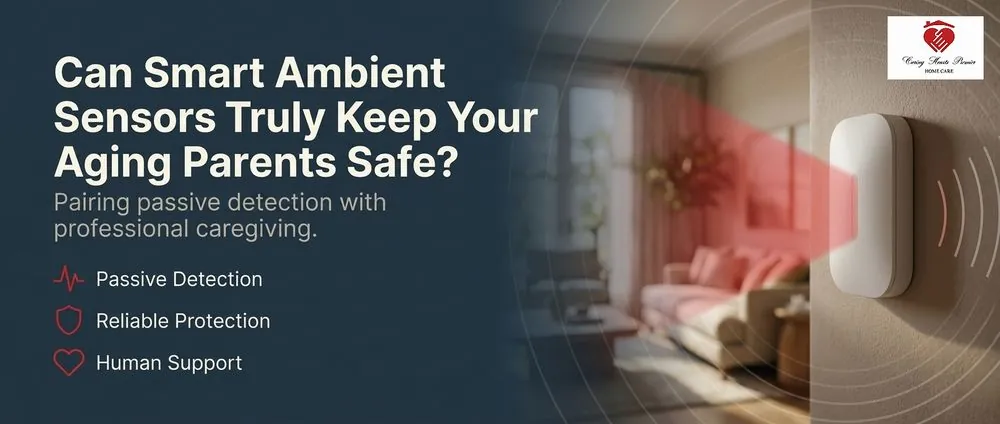
Monitoring technologies can offer additional oversight without severely compromising their personal privacy. Smart sensors placed on doors or cabinets can alert you if normal daily routines are suddenly disrupted. For example, a sensor on the refrigerator can confirm they are eating regularly, while a sensor on the front door tracks when they leave the house. These passive monitoring systems allow you to keep a watchful eye on their well-being from a distance. You can address potential issues proactively before they escalate into serious medical emergencies.
Establishing a Sustainable Routine for Aging in Place
Creating a secure environment is not a one-time project; it requires ongoing maintenance and regular reassessment. A truly sustainable strategy for aging in place adapts as your parents' physical capabilities and medical needs evolve. You should schedule periodic home audits every few months to identify any new hazards that may have emerged. A loose handrail, a burned-out lightbulb, or a newly acquired throw rug can quickly compromise an otherwise secure space. Consistent vigilance ensures the environment remains optimized for their current level of mobility.
Involving your parents in the planning process guarantees they feel respected and comfortable with the modifications. You must communicate openly about the reasons behind these changes, emphasizing that the goal is to protect their independence. Listen carefully to their concerns and preferences when rearranging furniture or installing new safety equipment. When they actively participate in the decision-making process, they are much more likely to utilize the new tools and follow safety protocols. A collaborative approach fosters a positive attitude toward the necessary adjustments in their lifestyle.
Coordinating with professional caregivers and medical providers adds a layer of expert oversight to your plan. You should discuss your parents' specific physical limitations with their primary care physician or a physical therapist. These professionals can offer targeted recommendations for home modifications based on detailed medical assessments. If you employ in-home care services, ensure the caregivers understand the safety protocols and actively monitor the environment for risks. A unified team approach provides comprehensive support and ensures all safety measures are consistently enforced.
Balancing physical safety with emotional well-being remains the ultimate objective of this entire process. You want to create a space that feels like a comfortable home rather than a sterile medical facility. Choose safety fixtures, like grab bars and shower chairs, that blend seamlessly with their existing decor whenever possible. Encourage them to maintain their social connections and engage in safe, enjoyable activities within their newly secured environment. When they feel both safe and happy in their surroundings, the aging in place experience becomes a highly successful and fulfilling journey.
Designing a structured environment for your aging parents requires patience, attention to detail, and a proactive mindset. By systematically addressing physical hazards, implementing targeted fall prevention strategies, and utilizing modern technology, you create a foundation for their continued independence. These thoughtful modifications allow them to navigate their daily lives with confidence, knowing their home actively supports their changing needs. Your dedication to their well-being ensures they can enjoy their golden years in the comfort of familiar surroundings.
Taking the first step toward securing their environment does not have to be an overwhelming process. Professional guidance can help you identify hidden risks and implement the most effective solutions for your specific situation. If you are ready to discuss a comprehensive approach to senior care and home safety, reach out directly to our expert team. Please contact info@caringheartspremierhomecare.com to schedule a personalized evaluation and learn how we can support your family's unique needs.